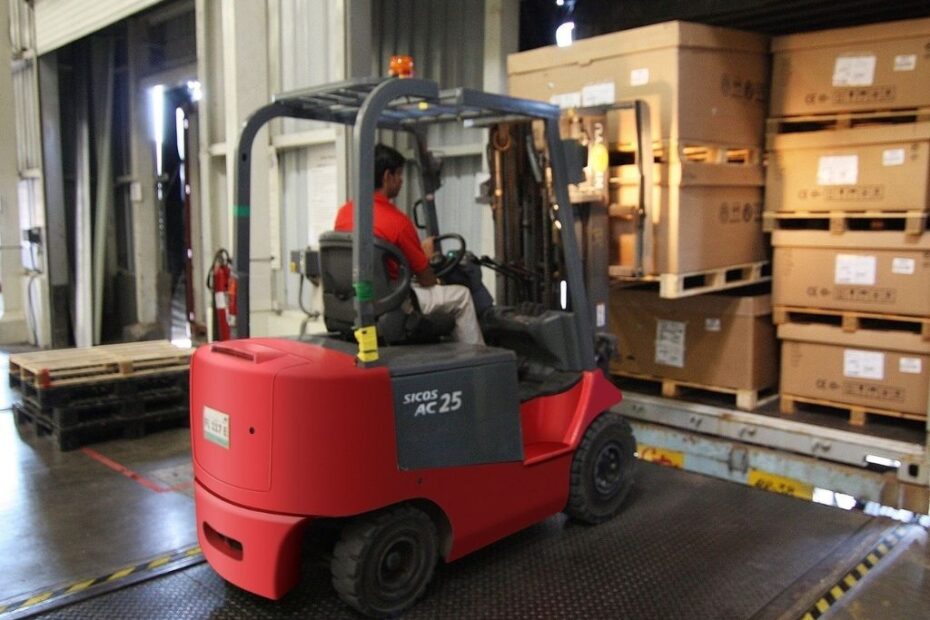
The proposed cleanup would remove about 450 cubic yards of contaminated soil and include steps to speed the degradation of solvents in the groundwater. The floor of the building, which is contaminated with cancer-causing polychlorinated biphenyls (PCBs), would be cleaned and sealed.
The building was purchased three years ago by a Greece carpet company that stores product there, according to the DEC.
On Thursday, another group of state officials will convene a meeting in Brighton to discuss a proposed $3.7 million plan to address a complicated PCE contamination problem underneath a section of Brighton just southeast of the Twelve Corners.
The solvent contamination there first came to light during investigation of a 2003 petroleum spill at a service station at the corner of Brooklawn Drive and Monroe Avenue. Officials first pointed the finger at Carriage Cleaners, at that same intersection, as the source of the PCE, a common dry-cleaning solvent.
Then last year, DEC said they had found high levels of PCE in soil and groundwater near a former Speedy's Cleaners just across Monroe Avenue from the other two businesses. It also was identified as a likely source of the solvents. Vapor ventilation systems had been installed in at least 11 structures to address petroleum vapors. PCE vapors prompted installation of systems in three residential and one commercial building.
As part of its long-term cleanup plan, the environmental agency now proposes to install systems that would extract both air and groundwater from below the surface for treatment to remove any solvents. About 720 cubic yards of tainted soil also would be excavated.
Both central Brighton and northeast Rochester are served by public water, meaning no one should be drinking the contaminated groundwater. But in recent years, officials have recognized that solvents can evaporate underground and rise through the soil — and can, in some cases, the vapors can accumulate inside homes or businesses above.
Both TCE and PCE may cause cancer or other serious health problems in people exposed to high levels. The affects of low-level exposure are less clear — but the DEC and the state Department of Health have given special attention in recent years to possible intrusion of solvent vapors.
Both cleanup projects would be paid for with money from New York's Superfund, which finances work at hazardous waste disposal sites when the responsible parties do not step in. The DEC's written cleanup proposals, provided by the agency Friday, indicated that companies judged responsible for the Rochester and Brighton contamination have declined to pay for the work. The DEC may pursue legal action against them to recover its costs, the proposals said.
Residents of the neighborhood affected by the petroleum and PCE spills in Brighton filed a civil suit in 2004 against the companies that owned the service station and the two dry cleaners, as well as the town of Brighton.
The plaintiff's lawyer, Alan Knauf, could not be reached for comment late Friday. But a January letter from Knauf in the case file in U.S. District Court said the plaintiffs had reached a settlement agreement with all the defendants except for Speedy's.